
Energy bills are one of the most significant running costs for many clubs. They often rely on electricity and gas for heating, lighting, kitchens, bars, and facilities used by members throughout the week. Because of this, it’s important that clubs are billed accurately for the energy they use.
However, many clubs receive estimated energy bills instead of bills based on actual meter readings. These estimates are often calculated using the supplier’s estimated annual consumption, along with historical usage patterns and seasonal assumptions.
While this may seem like a minor admin detail, estimated billing can cause a range of problems. Over time, it can lead to incorrect charges, budgeting difficulties, and unexpected costs. Understanding how estimated bills work and why they happen can help clubs avoid financial surprises and maintain better control over their energy spending.
What Are Estimated Bills?
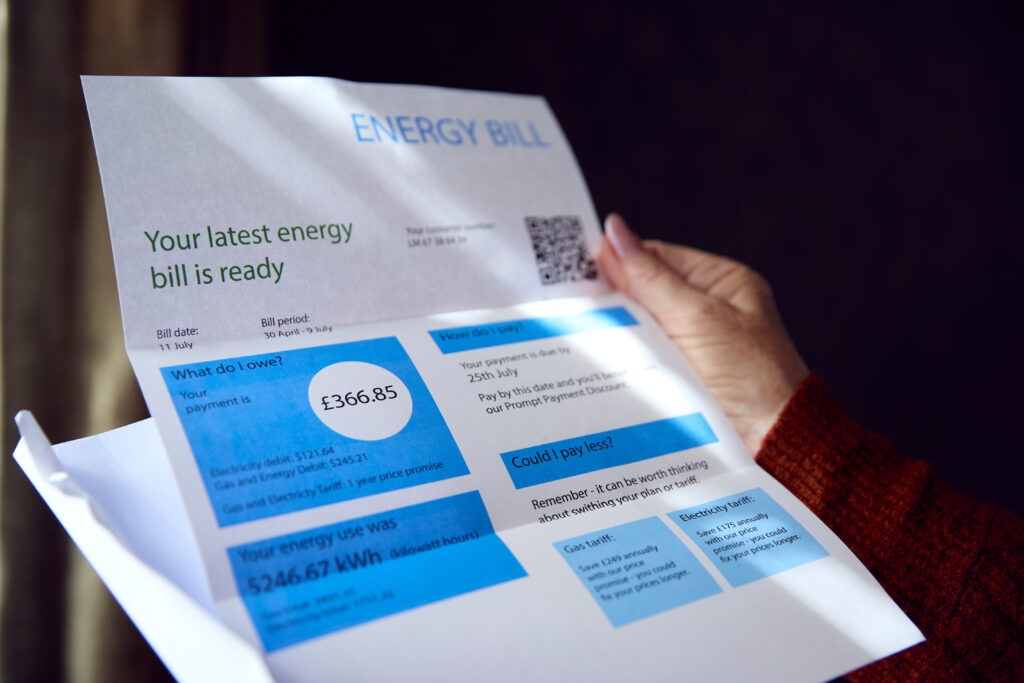
An estimated energy bill is a bill that is based on a supplier’s calculation of how much energy they believe a property has used, rather than the actual reading from the energy meter. Energy suppliers use historical usage data, property type, and seasonal assumptions to estimate how much energy has been consumed since the last confirmed reading. While this can provide a rough guide, it is not always accurate.
For example, a club may have quieter months during the off-season and busier periods when competitions or events are taking place. If the supplier estimates usage based on previous patterns that no longer apply, the bill may be significantly higher or lower than the club’s real consumption. Estimated bills are usually marked clearly on the statement, often labelled as “E” for estimated, rather than “A” for actual meter reading.
Some suppliers may use “C” for a customer reading, meaning the club has submitted the reading manually. “D” may represent a deemed reading, which is an industry-generated estimate used in certain situations, and “R” can indicate a remote reading, which is collected automatically from the meter.
Why Might You Receive Estimated Bills?
One of the most common reasons a club might receive estimated energy bills is due to a lack of recent meter readings. If the supplier does not receive regular readings from the meter, they will automatically estimate usage to keep billing cycles running. This can happen if readings are not submitted manually or if the supplier is unable to collect the data remotely.
Another issue is outdated or unsuitable metering equipment. Older meters do not automatically communicate with suppliers, which means readings often need to be taken manually. In busy club environments, this task can easily be overlooked.
Clubs that do not have half-hourly metering may also experience less accurate billing. Half-hourly meters record energy usage every 30 minutes and provide far more precise data. Without this type of monitoring, suppliers may rely more heavily on estimates to calculate usage between readings.
What To Do If You Receive Estimated Bills
If a club receives an estimated bill, it’s important not to ignore it. The first step should always be to check the meter reading directly and compare it with the reading shown on the bill.
If the figures don’t match, the club can submit an updated meter reading to the supplier and request that the bill is corrected. Suppliers are required to revise bills when accurate readings are provided. However, it’s often difficult to review energy invoices in detail, especially when there are multiple meters, contracts, or suppliers involved.
This is where support can be helpful. At Club Assure, we can review your energy bills and compare them against actual usage data to identify whether estimates are accurate or if corrections need to be requested. This can help ensure that you’re not paying more than you should and any billing errors are addressed quickly.
How To Avoid Estimated Bills
The best way to avoid estimated bills is to ensure that accurate meter readings are provided regularly. Submitting readings each month helps suppliers generate bills based on real consumption rather than assumptions.
Upgrading to more advanced metering, such as smart or half-hourly meters, can also significantly reduce the risk of estimated billing. These meters automatically send usage data to the supplier, removing the need for manual readings and improving billing accuracy.
Finally, working with specialists who understand club energy usage can help ensure that billing is monitored and managed properly. Regular reviews can highlight issues before they become costly problems.
Estimated energy bills are more common than many clubs realise, but they can create serious challenges if left unchecked. Because they rely on assumptions rather than real data, estimated bills can lead to overpayments, underpayments, and unexpected adjustments later on.
For clubs operating with tight budgets, accuracy matters. Ensuring that bills are based on real meter readings helps maintain financial clarity and prevents unnecessary costs.
By understanding how estimated billing works, checking invoices carefully, and putting systems in place to provide accurate data, clubs can reduce the risk of billing issues and ensure they are only paying for the energy they actually use. Get in touch today for support with estimated bills, we can give your committee greater confidence that energy costs are being managed correctly.