

For many sports and social clubs, waste collection is seen as just another fixed overhead. Bins are emptied, invoices are paid, and the service ticks along in the background without much thought. However, waste management is one of the areas where clubs most commonly overspend.
Committees are usually focused on memberships, events, maintaining the grounds and keeping everything compliant. Waste rarely becomes a priority unless there is a complaint or a missed collection. Because of this, clubs can end up tied into the wrong contract, paying for collections they do not need, or missing simple ways to cut costs. Understanding where the extra spend creeps in is the first step to keeping more money in your club’s budget.
Automatically Choosing the Local Council
One of the main reasons clubs overpay is habit. Many committees stick with their local council because it feels easy and familiar, often seen as the “safe option.”
Council services can be reliable, but they’re not always the most cost-effective. Their packages are usually fairly fixed, with less flexibility around how often bins are emptied, what size bins you have, or how long you’re tied into a contract. That can mean your club is placed on a standard commercial plan that doesn’t really match the amount of waste you produce.
Private providers can sometimes offer more flexibility or better pricing. The issue is not that the council is wrong, but that many clubs never think to compare. If you haven’t checked the wider market, you won’t know whether you’re paying a fair rate. Even a quick comparison against other providers can uncover noticeable savings.
Paying for the Wrong Collection Frequency
Another common issue is having the wrong number of collections each week. Many clubs agree to a set schedule based on what they needed years ago. Since then, things may have changed. Membership might have grown, the bar may be busier, and different seasons bring peaks and quieter periods throughout the year.
If your bins are being emptied when they’re only half full, you’re likely paying for collections you don’t need. On the other hand, if bins are constantly overflowing, you might be paying overweight charges, which are often more expensive than just adjusting your collections. Simply keeping an eye on how full your bins are over a few weeks can tell you a lot. From there, you can adjust your collection schedule so it better matches what your club actually produces.
Incorrect Waste Disposal Increasing Costs
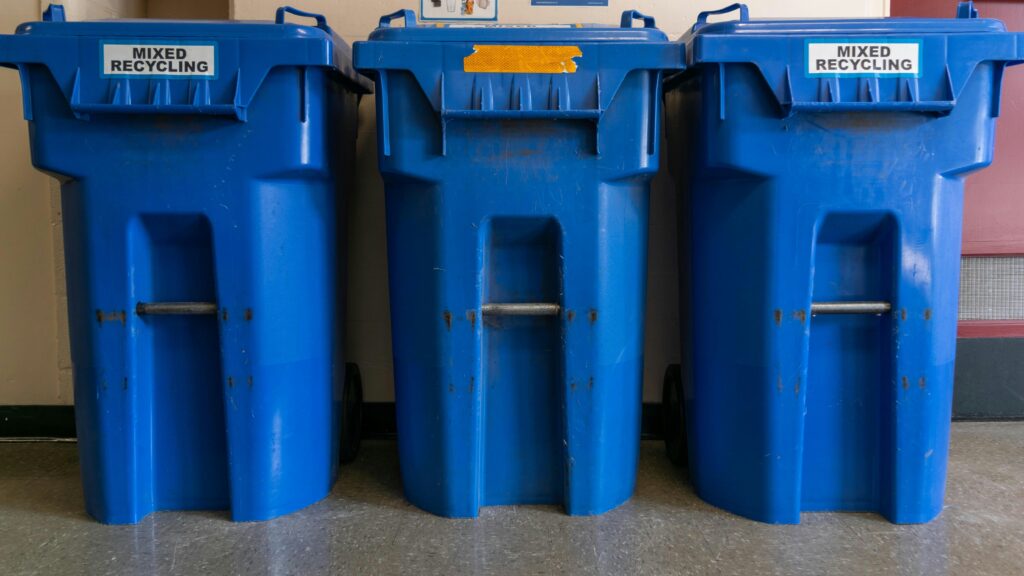
How waste is disposed of inside the club can also affect what you pay. If recyclable materials are thrown into general waste, you end up paying more to dispose of them. If recycling bins are contaminated with the wrong items, collections can be rejected and extra charges may apply. Food waste, glass and cardboard all need to be handled correctly to avoid driving up general waste volumes.
Bars, kitchens and event spaces are common problem areas. When bins are not clearly labelled, or there aren’t enough of the right types, it becomes easy for waste to go into the wrong place. Over time, this increases costs without anyone realising why. Making improvements can be straightforward. Clear labels, well-placed bins and a quick reminder to staff or volunteers can make a noticeable difference to your waste bill.
Staying in Long-Term Contracts Without Review
Waste contracts are often signed and then forgotten about. Many include automatic renewals and strict notice periods. If key dates are missed, the club can be locked in for another year or more.
As committee members change, important contract details can get lost. By the time someone looks at the agreement again, it may be too late to switch without paying penalties. A simple diary reminder ahead of renewal dates can prevent this. Reviewing your contract regularly keeps you in a stronger position to negotiate or move to a better deal if one is available.
Waste collection doesn’t have to be a drain on club finances. With budgets under increasing pressure, even small savings can make a big difference to annual finances. By reviewing providers rather than automatically choosing the local council, adjusting collection schedules to reflect actual usage, improving waste segregation and keeping track of contract renewal dates, clubs can avoid unnecessary overspending.
A proactive approach ensures your waste management service supports the smooth running of your facilities without quietly eroding valuable funds. For sports and social clubs aiming to operate efficiently and responsibly, it’s worth taking a closer look at what you’re really paying for. Get in touch with our expert team today and see if you could be saving on waste.